
The CyberCore Blog
Expert Insights On Dental IT, Cybersecurity, And Autonomous Monitoring
 Cybersecurity
Dental Office Network Security: A 12-Point Checklist
Most dental office networks have the same vulnerabilities: exposed RDP, default passwords on imaging devices, and flat networks with no segmentation. This 12-point checklist fixes the gaps that attackers exploit first.
 Cybersecurity
Why Dental Practices Are Ransomware Targets (and How to Stop It)
Dental practices hold valuable patient health data, run legacy software, and often have minimal cybersecurity. That combination makes them ideal ransomware targets. Here's how attacks actually happen — and what stops them.
 Cybersecurity
HIPAA Compliance for Dental IT in 2026: What Changed and What to Do
The updated HIPAA Security Rule raised the bar for dental practice IT. Encryption is no longer optional. Risk analysis is no longer a checkbox. Here's what your practice needs to do — without the legal jargon.
 Dental IT
Dentrix Troubleshooting: The 8 Issues Your IT Team Sees Most
Dentrix has its own set of failure modes that baffle generic IT teams. Crystal Reports dependencies, SQL Express size limits, and the DTX launcher each break in specific, diagnosable ways.
 Dental IT
Open Dental Keeps Crashing: How to Diagnose and Auto-Recover
Open Dental crashes follow predictable .NET and MySQL failure patterns. Once you know the exit codes and database signals, you can diagnose — and recover — in seconds instead of hours.
 Dental IT
Why Dental Software Crashes (and What Actually Fixes It)
Your front desk calls in a panic: Open Dental just disappeared mid-appointment. The patient is in the chair. The schedule is gone. Here's what's actually happening — and why most IT teams handle it wrong.
 Practice Management
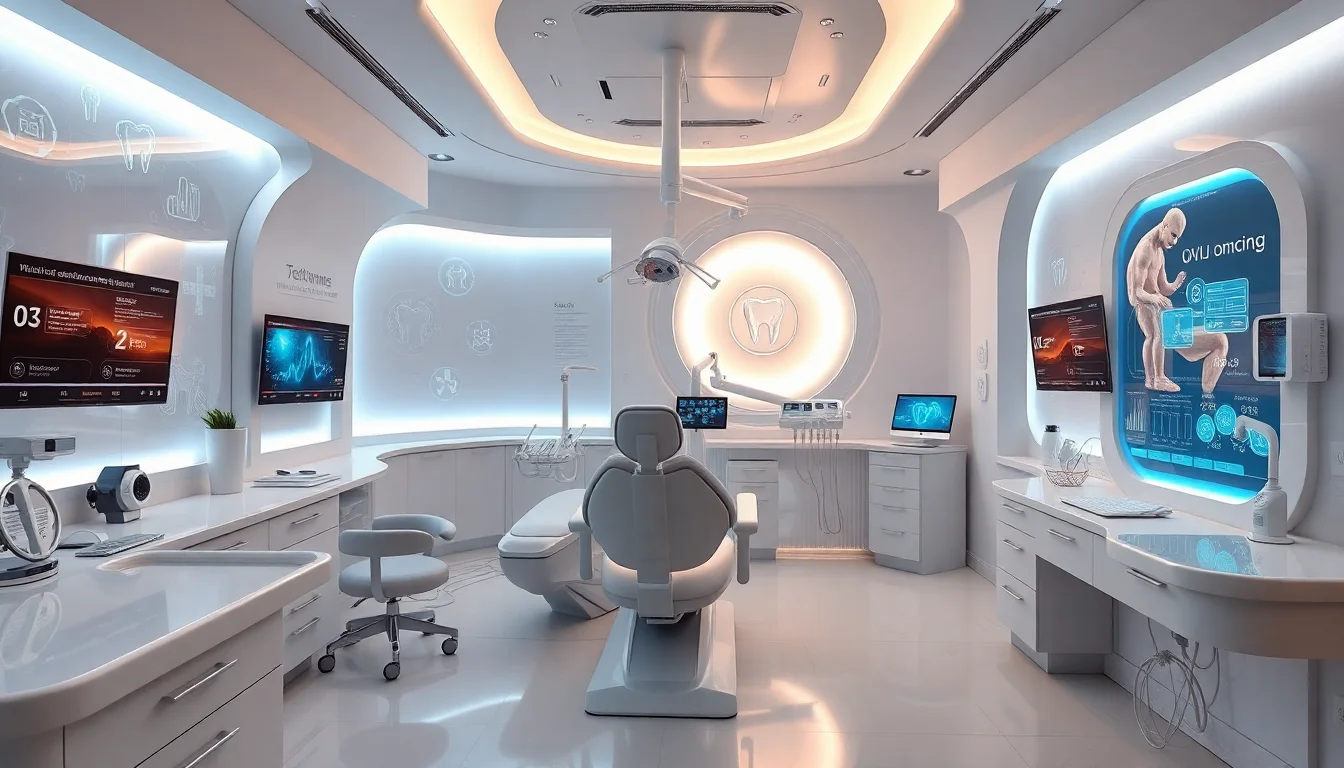
The Future of Dental Practice Technology: What Changes Between 2026 and 2027
Forget the science fiction predictions and vendor hype. Here's what dental practice technology will realistically look like in the next 18 months—based on current adoption rates, economic realities, and what's actually in development today.
 Practice Management
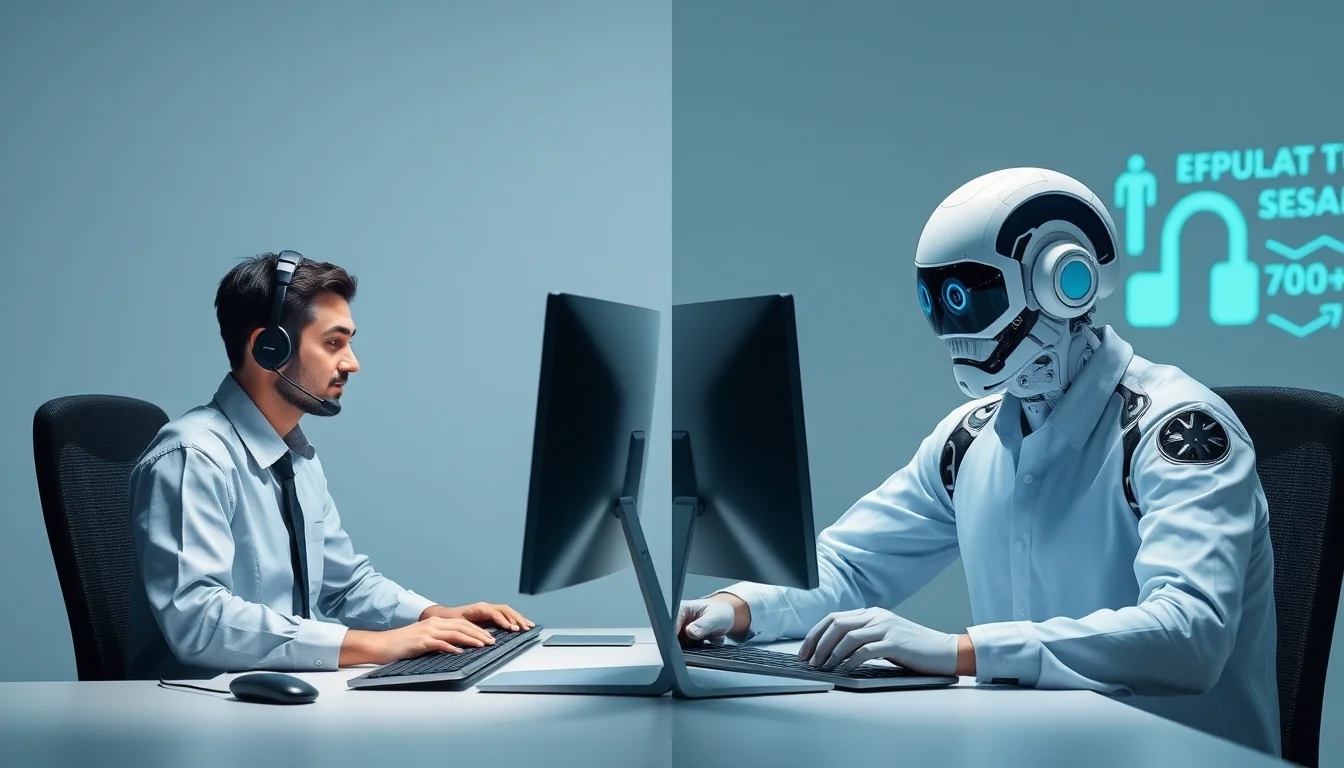
Traditional Dental MSP vs. Autonomous IT Monitoring: An Honest Comparison
Traditional managed service providers and autonomous IT monitoring both claim to keep your practice running. But they work fundamentally differently, have different strengths and weaknesses, and are suited for different practice needs. Here's the honest comparison without the sales pitch.
 Dental IT
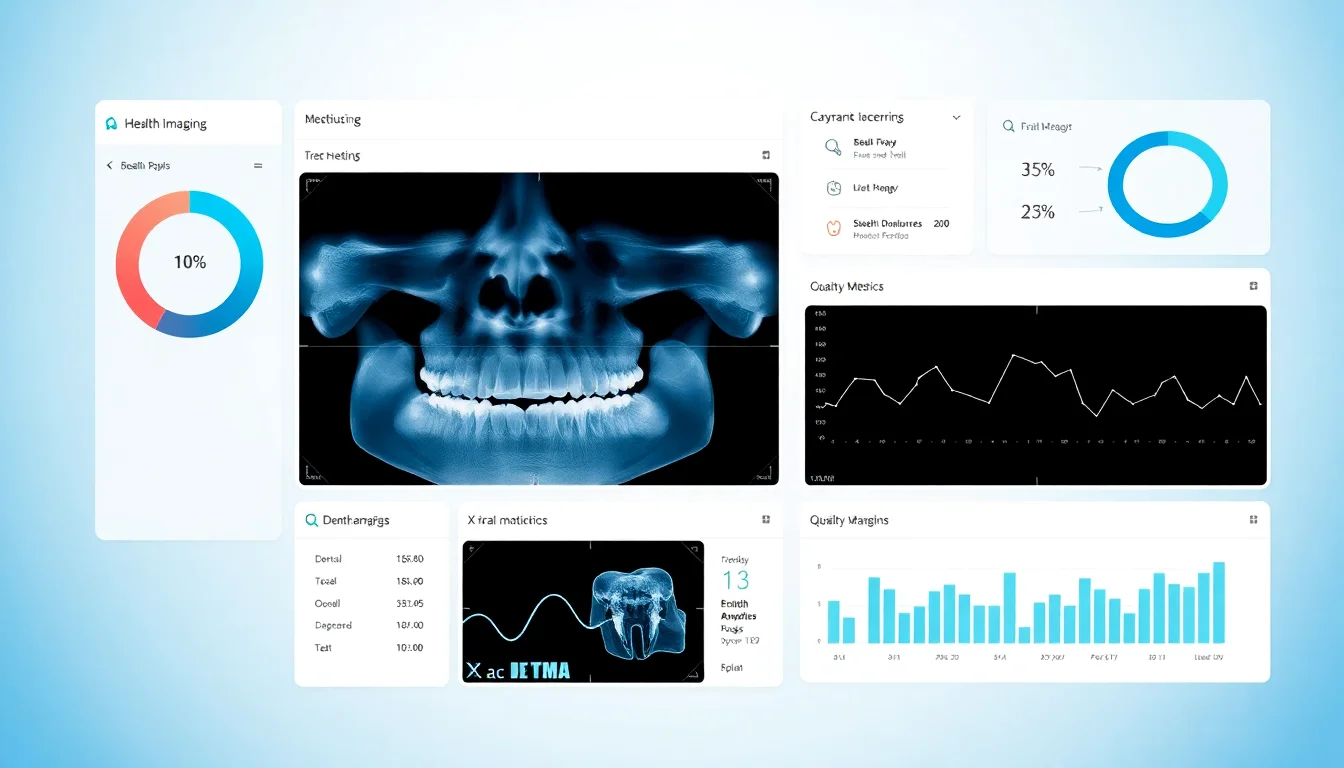
Is Your Dental Imaging Software Healthy? How to Monitor DEXIS, Carestream, and Other Systems
Your imaging software works perfectly—until it doesn't. Unlike practice management software that crashes immediately when something is wrong, imaging systems degrade slowly. Here's how to monitor system health and catch problems before they impact patient care.