
The CyberCore Blog
Expert Insights On Dental IT, Cybersecurity, And Autonomous Monitoring
 Dental IT
Why Your Dental Office Printer Stops Working Every Monday at 9 AM
It's Monday morning. You need to print a consent form. The printer is offline. Again. This happens so often it feels like a conspiracy. But there's a reason—and it's completely preventable.
 Cybersecurity
The Dental Practice Owner's HIPAA IT Checklist for 2026
HIPAA compliance is not about checking boxes on a form—it's about implementing specific technical controls that protect patient data. This checklist walks through exactly what you need, why you need it, and how to verify it's working.
 Dental IT
Open Dental, Dentrix, or Eaglesoft Down? A Dental IT Engineer's Troubleshooting Guide
When your practice management software crashes, every minute counts. This technical guide walks through systematic diagnosis and resolution for the most common failures in Open Dental, Dentrix, and Eaglesoft—from the perspective of engineers who fix these issues daily.
 Autonomous IT
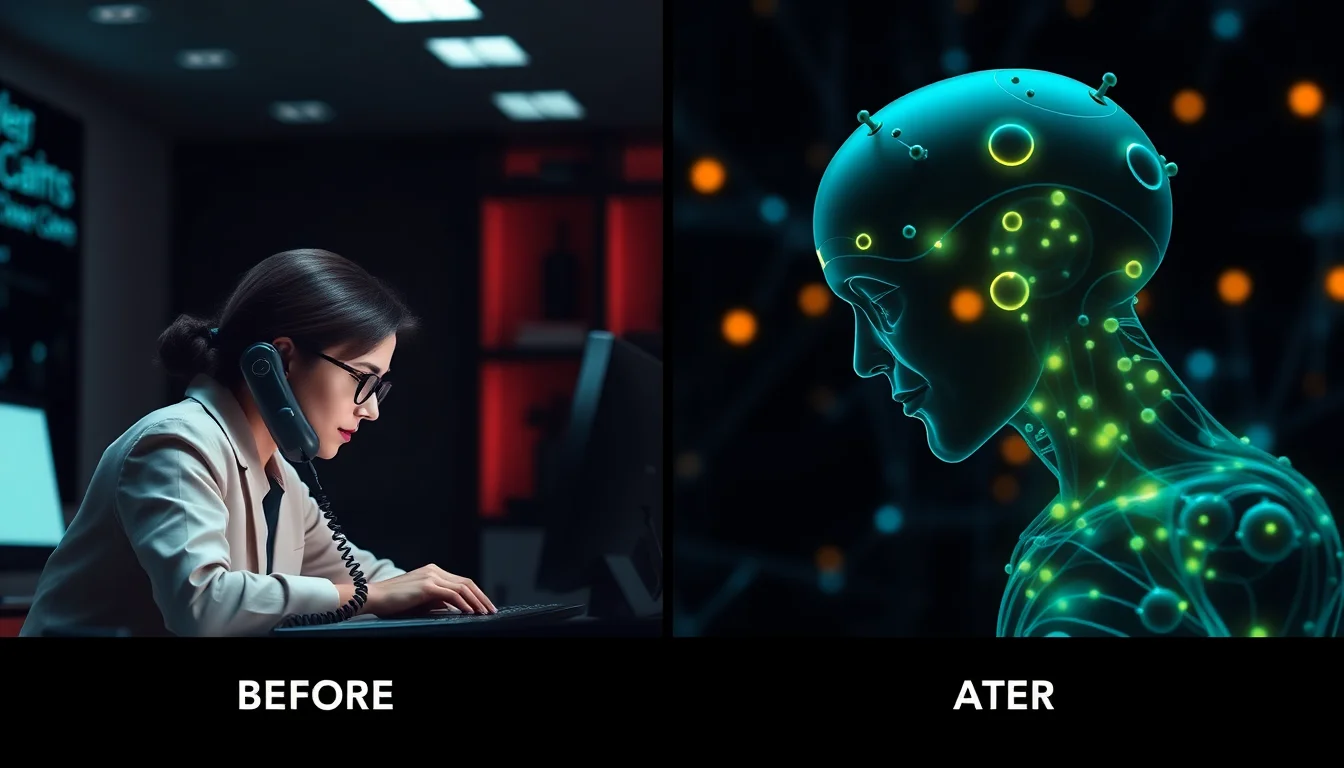
Beyond the Help Desk: How Autonomous IT Is Replacing Reactive Support
Traditional IT support follows a predictable pattern: something breaks, you call for help, someone eventually fixes it. Autonomous IT inverts this model completely—issues are detected, diagnosed, and resolved automatically, usually before anyone notices. Here's what this transition actually looks like.
 Cybersecurity
Dental Cybersecurity in 2026: Why Ransomware Loves Your Practice More Than Banks
Dental practices are now targeted more frequently than banks for ransomware attacks. It's not about your money—it's about your patients' data, insurance information, and the fact that you'll pay to avoid HIPAA violations. Here's what's actually working to prevent attacks in 2026.
 Practice Management
The Hidden Cost of Dental Practice Downtime: $1,800/Hour and Your Team's Sanity
When your practice management system crashes, you're not just losing $1,800/hour in chairside revenue. You're losing staff morale, patient trust, and future appointments. Here's the real math behind downtime.
 Autonomous IT
Why Your Dental Software Keeps Crashing — And How AI Agents Fix It in 22 Seconds
Your dental software crashes at the worst possible moment—mid-appointment, during checkout, or right before a busy Monday morning. An AI agent detects the issue in 3 seconds and fixes it in 22. Here's how autonomous IT is changing dental practice technology forever.